
Introduction to Powder Coating
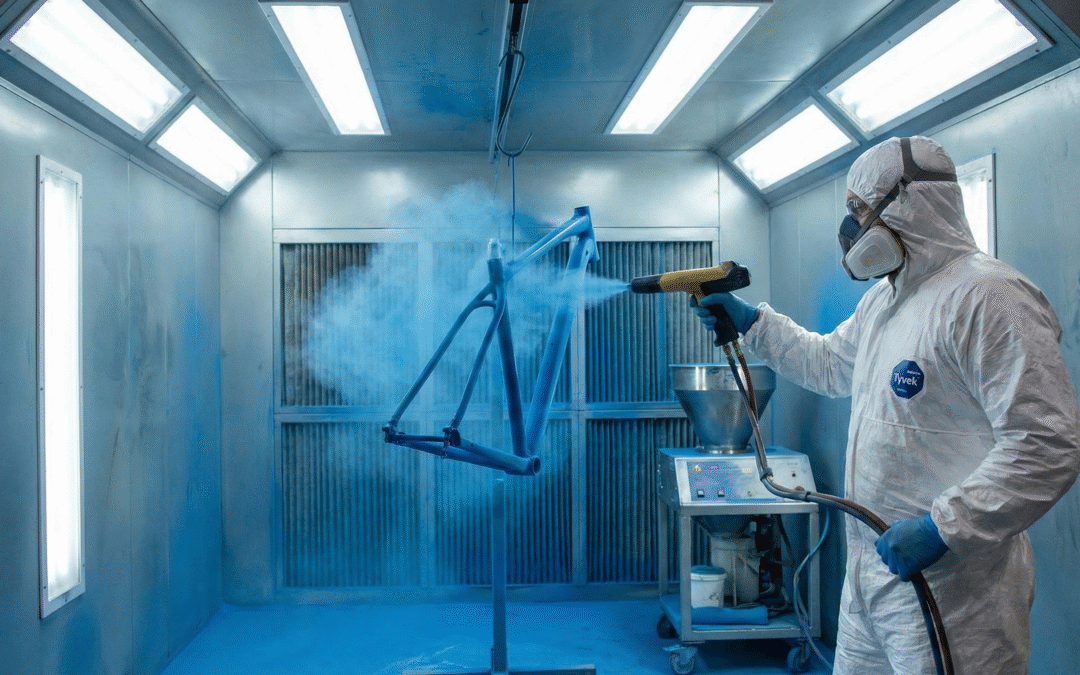
In the ever-evolving landscape of industrial finishing, powder coating emerges as a frontrunner, revolutionizing the way we perceive and execute metal finishing. Unlike traditional liquid paints that rely on solvents and emit considerable volatile organic compounds (VOCs), powder coating utilizes a free-flowing, dry powder. This powder is electrostatically charged during application, allowing it to adhere uniformly to a metal surface. Upon completion of the application process, the coated object is subjected to heat in a curing oven, where the powder melts and fuses into a durable and smooth finish.
Powder coating offers a myriad of advantages, making it a preferred choice among industries ranging from automotive and aerospace to consumer electronics and heavy equipment manufacturing. The method provides a robust, chip-resistant layer that withstands the rigors of daily use, harsh weather conditions, and chemical exposure, thereby extending the lifespan of the product. Additionally, powder coating is recognized for its environmental benefits. By eschewing solvents, it significantly reduces VOC emissions, aligning with strict environmental regulations and catering to an increasingly eco-conscious market.
As industries continue to emphasize the importance of sustainability without compromising on quality, powder coating stands out as an innovative solution. Its ability to deliver exceptional finishes while minimizing waste positions it at the forefront of modern industrial finishing technologies. The growing popularity of powder coating in the U.S. attests to its effectiveness and the promise it holds for the future of industrial coating solutions.
Overview of Powder Coating Techniques
In the dynamic landscape of industrial finishing, powder coating has emerged as a cornerstone, known for its efficiency and environmental advantages. Powder coating techniques have evolved significantly, becoming integral across various sectors, including automotive, electronics, and heavy machinery. At its core, powder coating involves applying a dry powder, composed of finely ground particles of pigment and resin, onto a metal surface. This powder is electrostatically charged, allowing it to adhere uniformly to the substrate. Once applied, the coated item is cured under heat, triggering a chemical reaction that forms a durable, seamless finish.
Several techniques have been refined to optimize this process, ensuring both quality and sustainability. Fluidized bed coating, for instance, involves immersing pre-heated parts into a bed of powder, which coats the surface through electrostatic attraction. This method is particularly effective for achieving thick, consistent coatings. Alternatively, electrostatic spray deposition (ESD) is highly popular due to its precision. In this technique, a spray gun applies the charged powder onto the substrate, allowing for excellent control over thickness and texture.
These advanced techniques not only enhance the aesthetic appeal of metal products but also provide robust protection against corrosion, abrasion, and weathering. Moreover, the absence of solvents in powder coating reduces volatile organic compound (VOC) emissions, making it a preferred choice for eco-conscious industries. As the demand for sustainable manufacturing grows, these powder coating techniques continue to gain traction, setting new benchmarks for quality and environmental responsibility.
Understanding the Basics of Industrial Coatings
Industrial coatings serve as a crucial component in the protection and enhancement of various substrates used in manufacturing and construction. These coatings are applied to surfaces with the primary aim of providing corrosion resistance, improving aesthetic appeal, and enhancing durability. The world of industrial coatings is diverse, encompassing a wide array of materials and application methods tailored to meet the specific needs of different sectors, from automotive to aerospace and beyond.
At the heart of industrial coatings lies the pivotal role of protecting metal surfaces from environmental aggressors such as moisture, chemicals, and wear. This involves creating a barrier between the metal and its surroundings, effectively preserving the integrity of the material over time. Among the myriad of coatings available, powder coating stands out as a revolutionary technique that has gained significant traction across industries in recent years.
Powder coating is a dry finishing process that uses finely ground particles of pigment and resin. These particles are electrostatically charged and sprayed onto a surface, which is then heated to allow the powder to melt and form a protective film. This method not only offers superior durability and protection but also provides a more environmentally friendly solution compared to traditional liquid paints. The absence of solvents in powder coatings means reduced emissions of volatile organic compounds (VOCs), aligning with stringent environmental regulations and promoting a safer workplace.
As industries continue to seek efficient and sustainable coating solutions, the basics of industrial coatings, particularly powder coating, remain pivotal in shaping the future of surface finishing technologies.
Emerging Trends in Powder Coating Across the U.S.
In recent years, the powder coating industry in the United States has witnessed a remarkable evolution, driven by advancements in technology, environmental considerations, and a growing demand for high-quality finishes. As industries across the board—from automotive to electronics—seek more efficient and sustainable solutions, powder coating has emerged as a front-runner, setting new standards and redefining the landscape of metal finishing.
One of the most significant trends is the adoption of advanced application techniques that enhance the precision and efficiency of the coating process. Innovations such as electrostatic spray guns and automated line systems have revolutionized how coatings are applied, ensuring consistent, high-quality finishes while significantly reducing waste. This technological leap not only supports sustainability goals by minimizing material loss but also aligns with the industry’s shift towards eco-friendly practices.
Additionally, the diversification of powder formulations has opened up a plethora of aesthetic possibilities. Manufacturers are now offering a vast array of colors, textures, and finishes, allowing for greater customization and meeting specific industry requirements. This versatility has made powder coatings an attractive choice for designers and engineers looking to enhance both the functionality and visual appeal of their products.
Moreover, the integration of smart technologies and data analytics in the powder coating process provides real-time insights and quality control, further boosting the reliability and efficiency of operations. As the industry continues to innovate, these emerging trends in powder coating promise to drive further growth and adoption across various sectors in the U.S.
Innovative Materials Used in Modern Powder Coating
In the rapidly evolving field of powder coating, the introduction of innovative materials is driving significant advancements in both performance and application versatility. One of the most prominent materials being utilized today is thermoset polymers, which are known for their ability to form durable, high-performance finishes. These polymers, when applied as a powder, undergo a chemical reaction during the curing process that results in a cross-linked, solid finish. This provides unparalleled resistance to chipping, scratching, and harsh environmental conditions, making thermoset polymers ideal for industries requiring robust protection, such as automotive and heavy machinery.
Another material gaining traction is thermoplastic powders. Unlike their thermoset counterparts, thermoplastics do not undergo a chemical change during curing; instead, they melt and flow into a smooth, protective layer that can be re-melted and reformed if needed. This property makes thermoplastics particularly advantageous for applications where flexibility and reparability are essential, such as in the coating of consumer electronics and appliances.
Additionally, advancements in pigment technology have allowed for the creation of powder coatings with vibrant colors and unique textures. These coatings not only offer aesthetic benefits but also come with added functionalities like UV resistance and anti-graffiti properties. The integration of nanoparticle additives into powder formulations is another cutting-edge development, enhancing properties such as conductivity and corrosion resistance.
As industries continue to demand high-quality, sustainable, and efficient solutions, the exploration and adoption of these innovative materials in powder coating are setting new benchmarks for both functional and decorative applications. With their environmental benefits and superior performance, these materials are making modern powder coatings the go-to choice for a wide range of industrial and consumer needs.